“ Confident performance is not a fluke, but the product of imaginative and consistent synthesis of technical and emotional work. ” -Frank R. Wilson The Musician’s Way, p. 146 In a highlight of the 2024 Grammy Awards ceremony, singer-songwriter Tracy Chapman sang her...
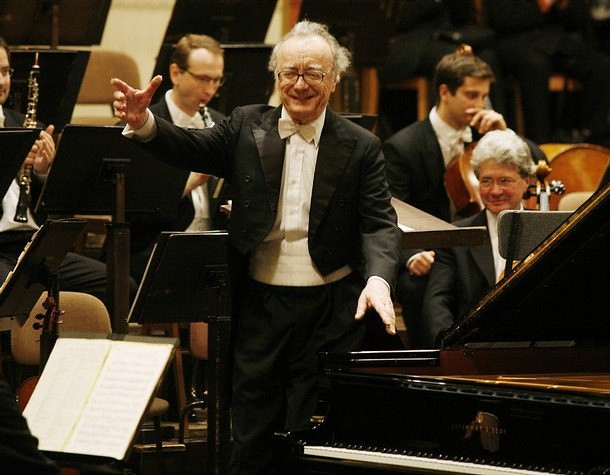
“When I finally saw how I looked, I realized that I was distracting the audience from the music.” -Alfred Brendel, pianist The Musician’s Way, p. 171 Imagine standing backstage prior to your entrance at the start of a concert: as the house lights dim, the...
“You take control of yourself, your material, and the situation, and then listeners place themselves willingly in your hands.” –The Musician’s Way, p. 179 Performing arts reach their zenith in the magical interaction between artist and audience. It’s crucial,...
“Well-crafted program notes help captivate audiences.” –The Musician’s Way, p. 209 As soon as listeners enter performance spaces, we musicians have opportunities to enhance their concert experience. All too often, though, audiences are greeted by printed programs that...
“As you perform, radiate the character of a composition.” –The Musician’s Way, p. 189 I’ve attended thousands of classical concerts, and despite my love of the music, I have to admit that fewer than 10% of those concerts were wholly or mostly enjoyable....
“The performers who connect from the stage establish emotional relationships with their audiences.” -The Musician’s Way, p. 188 What endows a performance with the power to stir listeners’ hearts? At a minimum, a spellbinding concert melds first-rate...
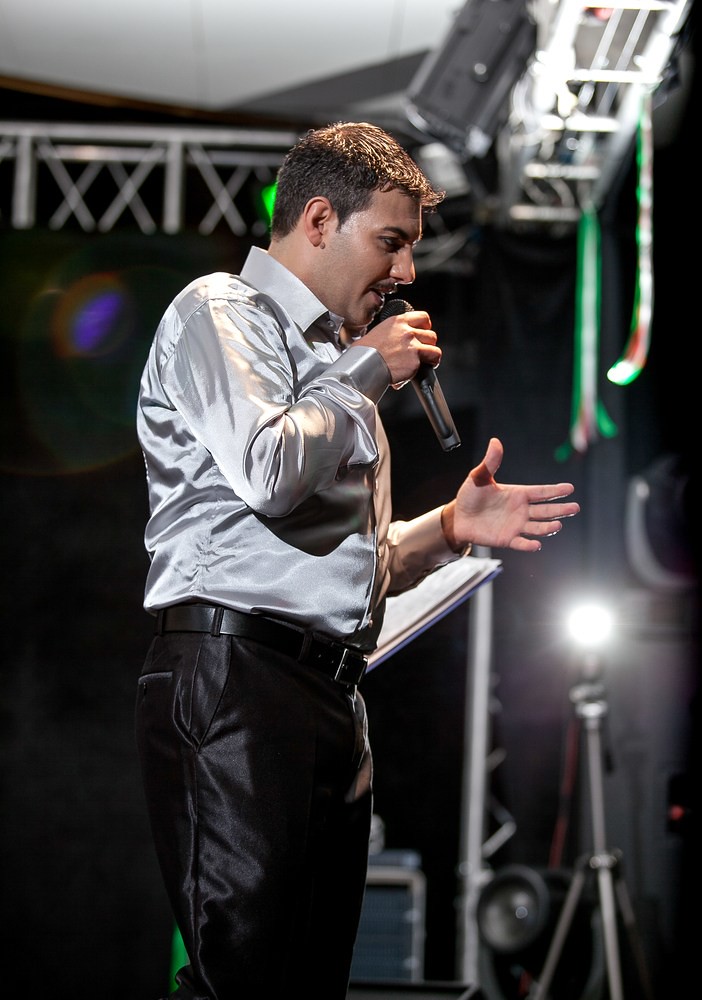
“Audiences want to hear music, not monologues.” –The Musician’s Way, p. 177 One of the most effective ways for us to connect with audiences is to speak engagingly yet briefly about the music we perform. Problem is, lots of musicians neglect to prepare the...
“If there’s a central tenet of showmanship, it’s this: Project; don’t reflect.” –The Musician’s Way, p. 179 Showmanship – or show-womanship – doesn’t equate with flamboyance; it comes from being who you are, but more so....
“All musicians should be able to address audiences confidently.” –The Musician’s Way, p. 176 Speaking from the stage can powerfully enhance audience-performer rapport, provided that we musicians polish our public speaking skills. Here are six public...