“Music making is a never-ceasing process of change and progress.” –Jacqueline du Pré, cellist The Musician’s Way, p. 205 If you aspire to perform as an independent musician, whether solo or in small groups, this article will help you stay ahead of change and be...
“Beyond personal fulfillment, the decisive aim of practice is to prepare performances because, as an art form, music centers on the interaction between performer and listener.” -The Musician’s Way, p. 4 For vocalists and instrumentalists alike, music making cycles...
“Give yourself over to the emotion of the music while you also lead the music, directing your execution and the emotional flow.” –The Musician’s Way, p. 187 Aspiring musicians work hard to develop technical and interpretive skills. After all, those are the most...
“Let your community feed your creativity.” –The Musician’s Way, p. 313 If you aspire to present innovative or community-focused performances, there’s plenty of funding available to support those sorts of projects. In fact, many funding organizations are keen to...
“Ultimately, your musical progress will depend more on your skillfulness with the creative process than on any talent.” –The Musician’s Way, p. 313 When I teach introductory workshops on The Musician’s Way, I organize concepts using frameworks that musicians can...
“You adapt yourself to the contents of the paintbox.” —Paul Klee, painter The Musician’s Way, p. 121 Like a painter dipping into a limited palette, a musician practicing an isolated part has to adapt to material that’s incomplete. A part played or sung out of context...
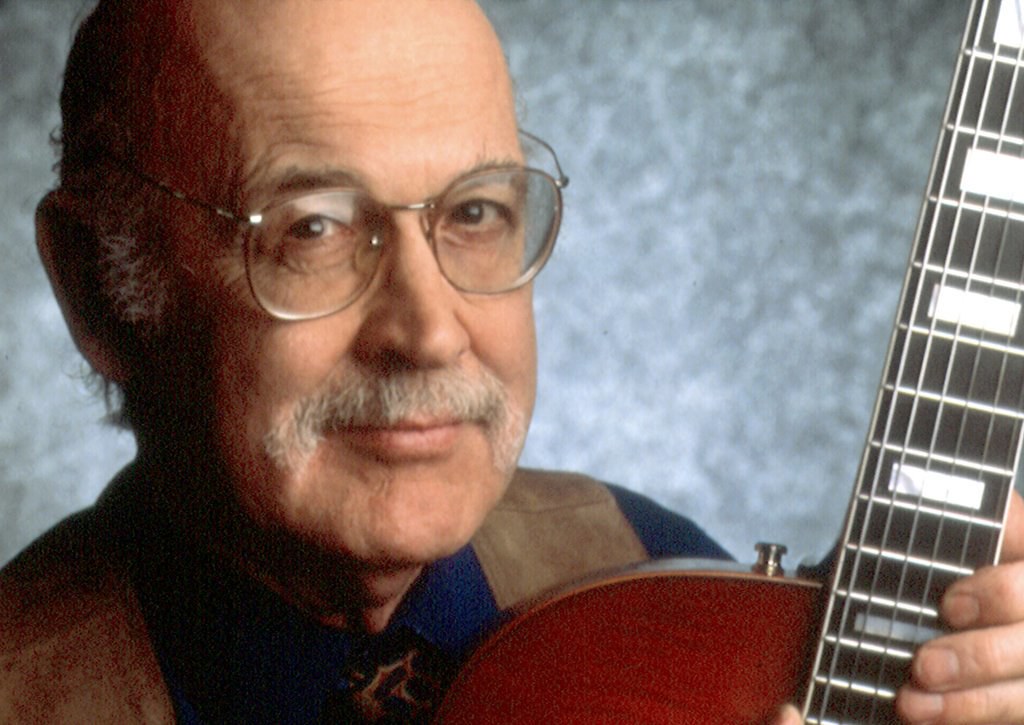
“It’s very gratifying to improvise in front of people. I feel I’m including them in what I’m doing, taking them someplace they might like to go and haven’t been before.” -Jim Hall, guitarist The Musician’s Way, p. 102 Improvisation is the most playful way that we can...
“It’s better to do 30 minutes of high-quality work than to spin your wheels for hours.” The Musician’s Way, p. 312 Although we musicians strive to maintain regular practice schedules, we all confront periodic obstacles that prevent us from working as...
“Ten dubious repetitions plus a single accurate one don’t equal security.” –The Musician’s Way, p. 52 Naïve practicers might repeat a passage profusely and make error after error. Then, on the eleventh try, when it finally comes out right, they say, “There, I’ve got...