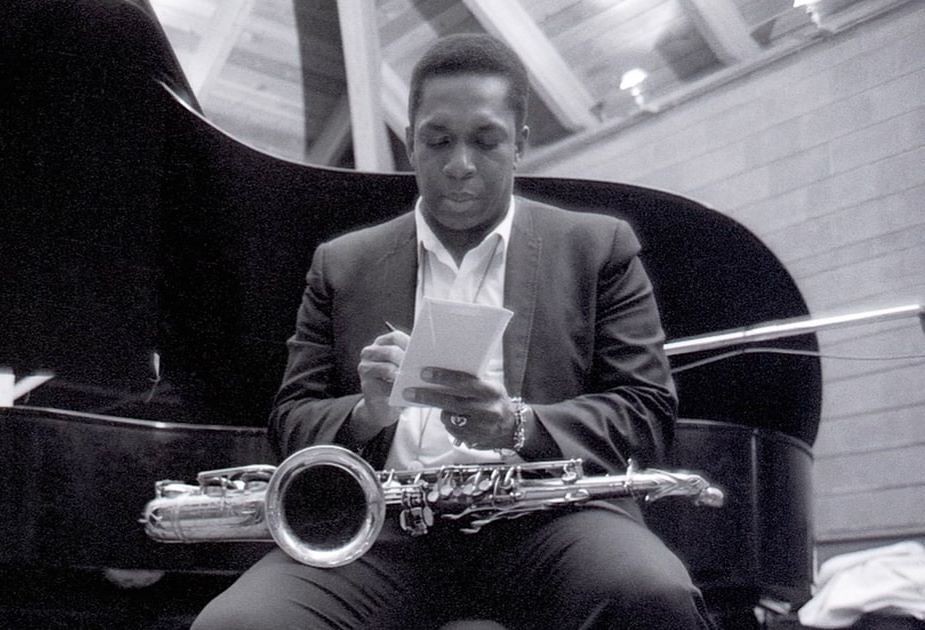
“I think I was first awakened to musical exploration by Dizzy Gillespie and Bird. It was through their work that I began to learn about musical structures and the more theoretical aspects of music.” –John Coltrane The Musician’s Way, p. 98 In The Musician’s Way, I...
“The Musician’s Way articulates both an artistic approach to attaining mastery of an instrument/voice and a practical approach to achieving professional goals.” -Philosophy of Music Education Review, Vol. 19, no. 1 The Winter 2018 issue of The Musician’s Way...
“When I finally saw how I looked, I realized that I was distracting the audience from the music.” -Alfred Brendel, pianist The Musician’s Way, p. 171 Imagine standing backstage prior to your entrance at the start of a concert: as the house lights dim, the...
“When musicians with scant listening experience try to play or sing repertoire from unfamiliar genres, they produce the musical equivalent of a clumsy accent.” -The Musician’s Way, p. 98 Most of us can recall hearing music that left us cold initially but that we...
“Deep practice entails achieving mastery, integration, and transcendence with everything that you play or sing.” –The Musician’s Way, p. 20 For budding and veteran performers alike, the fundamental source of confidence on stage is thorough preparation. And although...
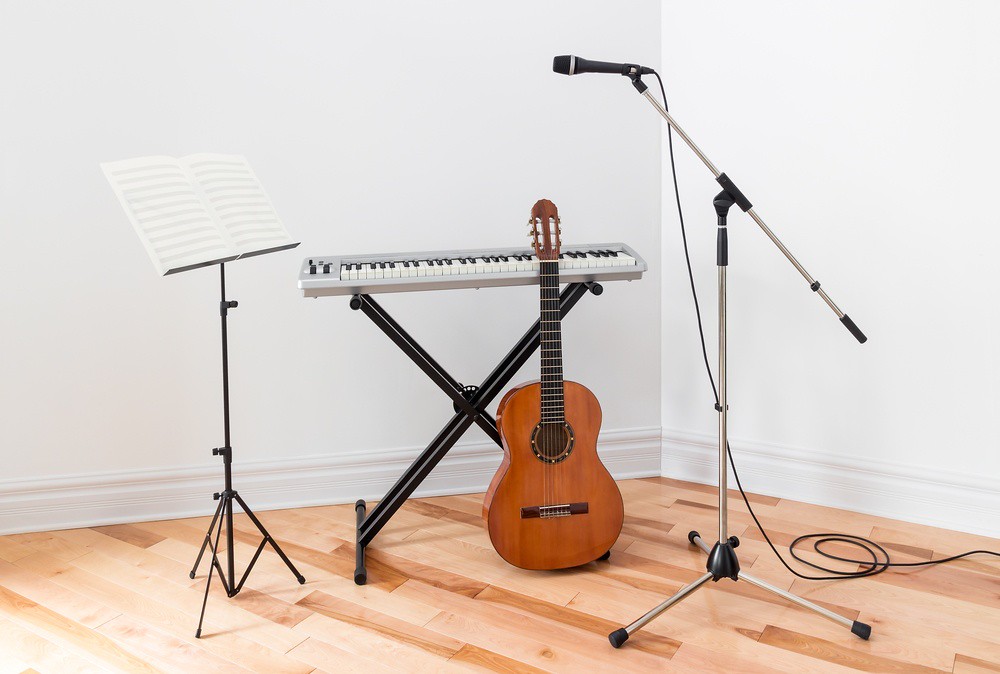
“The studio, a room to which the artist consigns himself for life, is naturally important, not only as workplace, but as a source of inspiration.” -Grace Glueck, journalist The Musician’s Way, p. 5 We musicians spend so much time practicing that it’s wise for us...
“The quality of your tone will probably have a more immediate impact on listeners than any other feature of your execution.” –The Musician’s Way, p. 22 We performers know the power of tone quality. Sweet tones can charm, almost like magic, and harsh sounds quickly put...
“No matter how musically advanced you become, you’ll encounter passages that defy easy mastery” -The Musician’s Way, p. 54 The November 2014 issue of The Musician’s Way Newsletter brings together more than 20 articles and resources of interest...
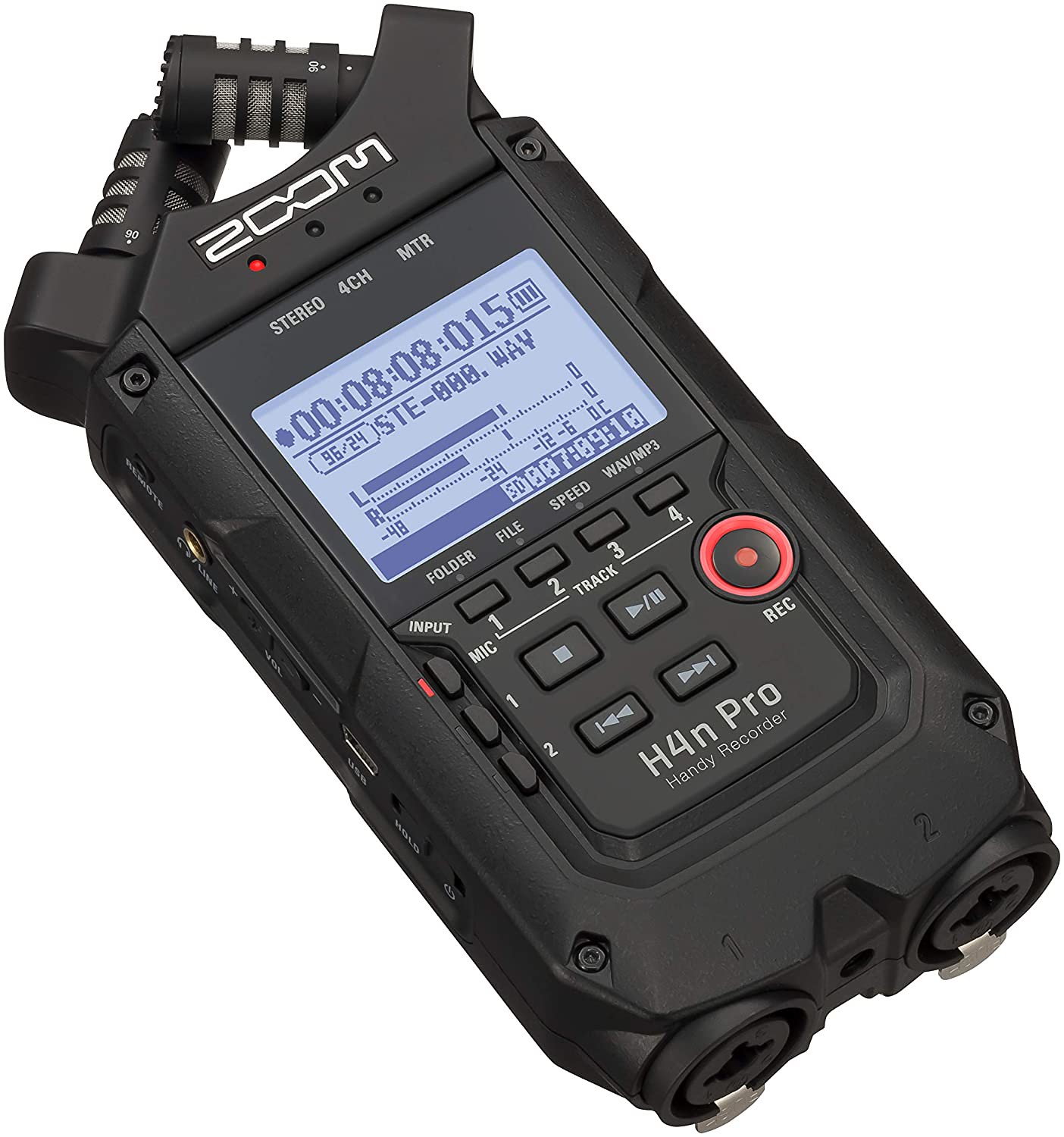
“Keen self-listening is central to musical excellence.” -The Musician’s Way, p. 16 Without the ability to hear ourselves precisely, we can’t perform to professional standards nor solve problems in practice. Fortunately, today’s digital recorders empower us...