“Wherever you hope to travel on your musical journey, practice is the only route to getting there.” The Musician’s Way – p. 3 People often refer to accomplished musicians as “talented,” but research shows that artistic and technical abilities...
“Beyond personal fulfillment, the decisive aim of practice is to prepare performances because, as an art form, music centers on the interaction between performer and listener.” -The Musician’s Way, p. 4 For vocalists and instrumentalists alike, music making cycles...
“I suppose that when I play in public it looks easy, but before I ever came on the concert stage I worked very hard. And I do yet – but always putting the two things together, mental work and physical work.” -Jascha Heifetz, violinist (1901-1987) The Musician’s...
“It’s not about playing well by being comfortable and wiping out nervous energy. It’s about finding the right channel for all that energy” -Don Greene, sports psychologist The Musician’s Way, p. 184 We’ve all felt that adrenaline-fueled...
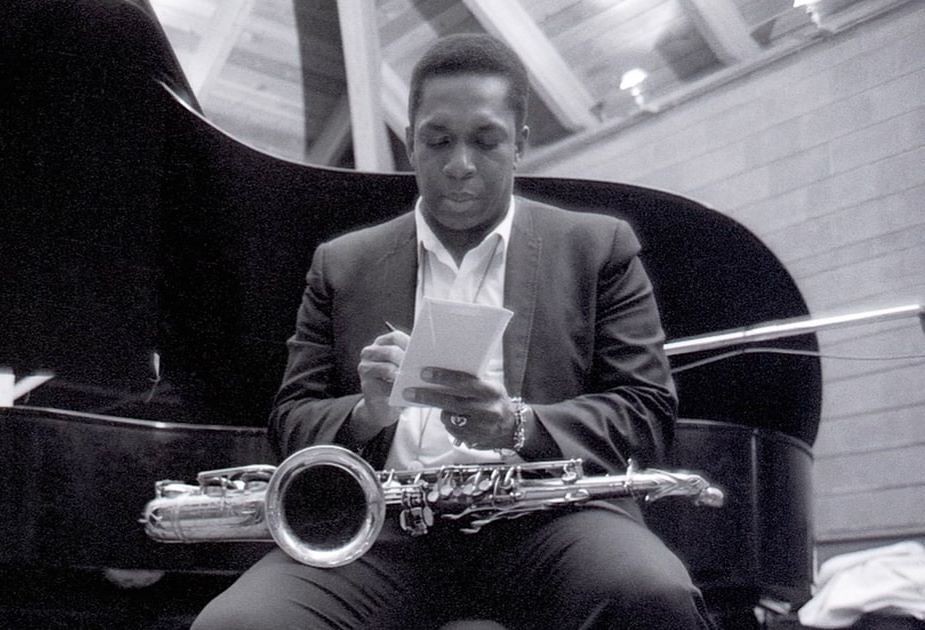
“I think I was first awakened to musical exploration by Dizzy Gillespie and Bird. It was through their work that I began to learn about musical structures and the more theoretical aspects of music.” –John Coltrane The Musician’s Way, p. 98 In The Musician’s Way, I...
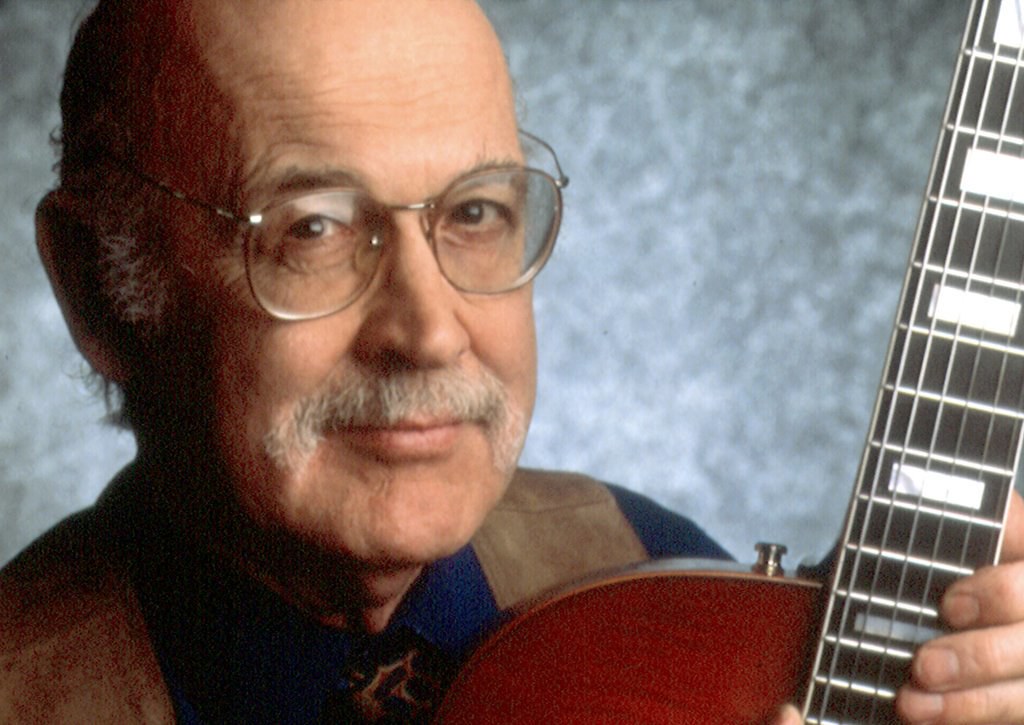
“It’s very gratifying to improvise in front of people. I feel I’m including them in what I’m doing, taking them someplace they might like to go and haven’t been before.” -Jim Hall, guitarist The Musician’s Way, p. 102 Improvisation is the most playful way that we can...
“Only after I have become familiar with the style and character of the work can I start shaping an interpretation.” Yo-Yo Ma The Musician’s Way, p. 24 On a primary level, musical interpretation conveys fluctuations in emotional intensity. And one of the best ways to...
“Collaborative music making is one of life’s true joys.” –The Musician’s Way, p. 114 It’s difficult to describe the magical feeling of synchronized music making. Suffice it to say that when we make music together, we ascend to loftier planes. But to reach...
“When musicians with scant listening experience try to play or sing repertoire from unfamiliar genres, they produce the musical equivalent of a clumsy accent.” -The Musician’s Way, p. 98 Most of us can recall hearing music that left us cold initially but that we...