* You are viewing Posts Tagged ‘health’

Can Focal Dystonia Be Prevented?

“Begin slowly and increase gradually any unaccustomed use of the hands.”
–Michael Charness, MD (The Musician’s Way, p. 237)

Guitarists Billy McLaughlin and Liona Boyd, pianists Leon Fleischer and Gary Graffman – all are musicians whose careers were upended by the mysterious condition known as focal dystonia.

Focal dystonia is a movement disorder characterized by painless, involuntary muscle contractions that occur when a person does a particular activity.

The images shown here portray a guitarist’s hand and a trombonist’s embouchure during dystonic contractions. Continue Reading

Taking Breaks

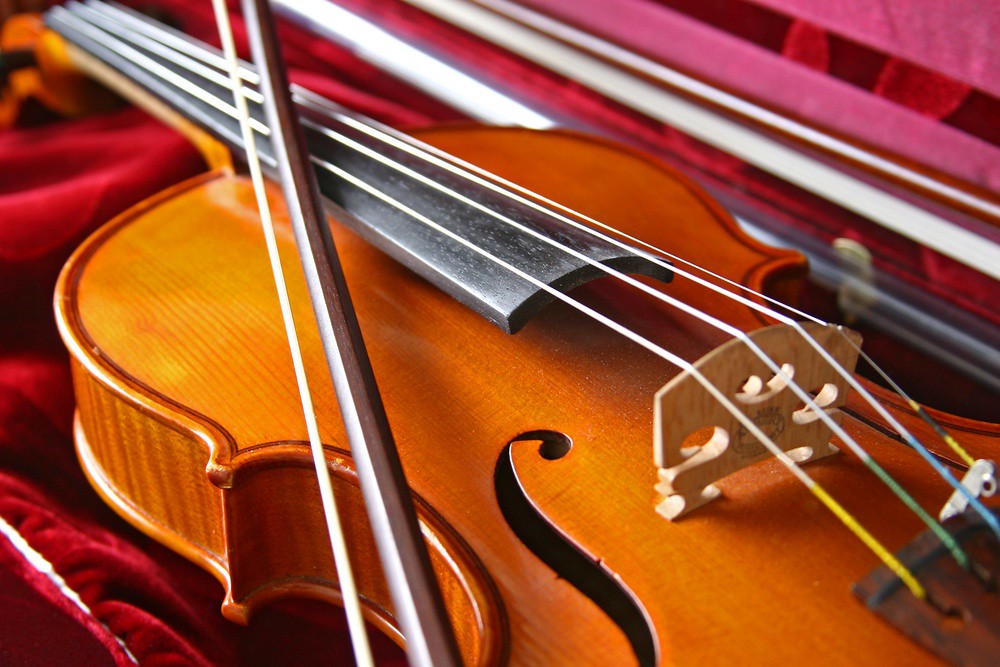
Image of violin in case“Breaks are as vital to musicians as they are to athletes.”
The Musician’s Way, p. 75

If you’re like me, you typically become absorbed during practice sessions, so much so that it often doesn’t seem that breaks would be necessary.

But even when we feel mentally focused and physically strong, after working for a while, our muscles, tendons, vocal folds, lips, and the like still need time to recharge. Continue Reading

Heeding the Signs of Injury

“I ignored all my body’s warning signals in the name of ‘dedication’ to what I was doing. I had absolutely no idea that this little problem
would in fact threaten my career.”
–Christine Harrison, violinist (The Musician’s Way, p. 238)

We may not like to admit it, but we all have physical limits. And given that music making is so physical, we musicians sometimes exceed our limits, much as dancers and athletes do.

Still, we can prevent minor hurts from escalating into dire injuries, if we’re able to recognize and respond to the body’s warning signs. Continue Reading

The Total Warm-Up

“Like sensuous opening ceremonies,
warm-ups prepare the body, mind, and spirit for making music.”
- The Musician’s Way, p. 37

I always take pleasure in my daily warm-ups. As I open my guitar case, tune, and play my first notes, I feel inspired and grateful to be able to make music.

Students, however, often lack clarity about how they might warm up.

In response, I’ve developed an adaptable 6-part framework that musicians and others can use to fashion warm-ups. Continue Reading

Balanced Shoulders, Open Heart

Violist Sheila Browne demonstrates balanced use of the shoulders. (c) Gerald Klickstein“The better you use yourself, the better you will play.”
–Pedro de Alcantara, Alexander technique teacher (The Musician’s Way, p. 257)

Music making may be the most integrated of all human activities. It’s no exaggeration to say that singing or playing requires us to coordinate everything that we are – our bodies, minds, and spirits.

Often, though, the rigors of practice and performance cause us to use ourselves in ways that are less than optimal. Continue Reading

The 12 Habits of Healthy Musicians

Have you ever experienced pain or discomfort as a result of your music making?

If you answered yes, you’re not alone. Continue Reading

Hear Today. Hear Tomorrow.

“The real reason that I haven’t performed live for a long time is that I have very severe hearing damage.”
-Pete Townshend (The Musician’s Way, p. 277)

True story: A percussion professor was concerned about the sound levels at his music school, so he purchased a sound meter and sampled the levels in various rooms. He took readings during ensemble rehearsals, private lessons, and practice sessions.

In one of the teaching studios, he asked a horn professor to play an excerpt, and the reading rocketed to 100 decibels.

The percussionist knew that, at 100 dB, a person’s maximum safe exposure would total 15 minutes. Yet the horn teacher often taught and rehearsed in that room all day.

Alarmed, the percussionist asked, “Do you ever have trouble with your hearing?” To which the hornist replied, “What?”

Continue Reading