“Performance anxiety doesn’t yield to band-aid solutions, nor does it abate on its own.” -The Musician’s Way, p. 146 Camille was a 19-year-old amateur pianist who excelled in school but was petrified to play in public.* Her anxiety had surfaced in...
“ Confident performance is not a fluke, but the product of imaginative and consistent synthesis of technical and emotional work. ” -Frank R. Wilson The Musician’s Way, p. 146 In a highlight of the 2024 Grammy Awards ceremony, singer-songwriter Tracy Chapman sang her...
“Your central tasks are finding inner peace and strength, on the one hand, and being very well-prepared for your performances, on the other.” -Eric Maisel, author & psychologist The Musician’s Way, p. 146 In The Musician’s Way, I show that stage fright arises due...
“Give yourself over to the emotion of the music while you also lead the music, directing your execution and the emotional flow.” –The Musician’s Way, p. 187 Aspiring musicians work hard to develop technical and interpretive skills. After all, those are the most...
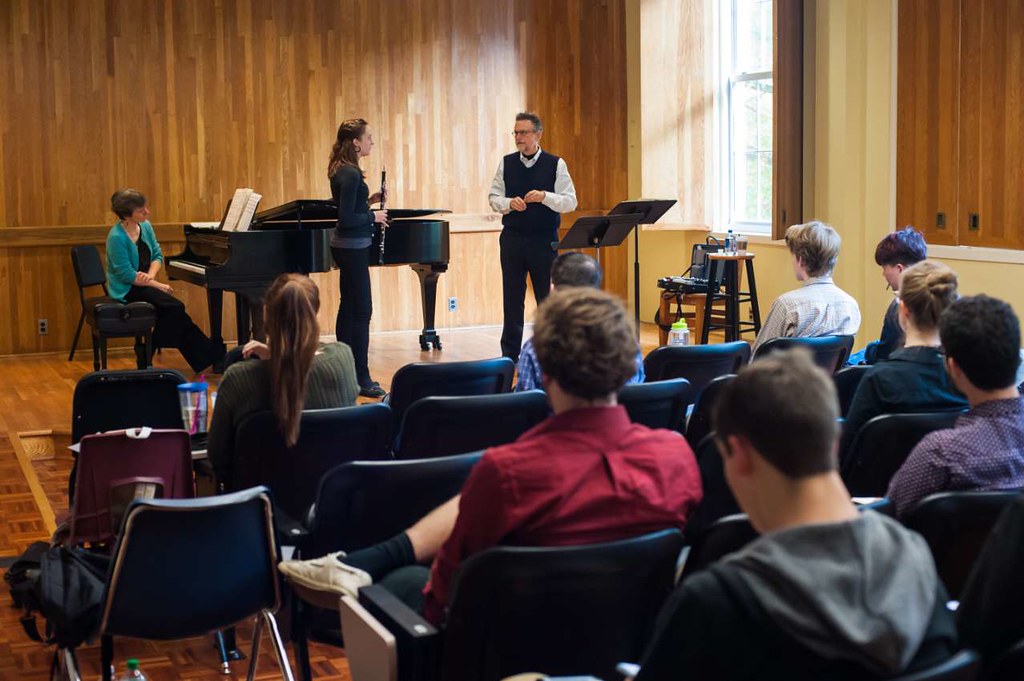
“All musicians can sift through their performance issues and come out the better for it – if they choose to do the work.” The Musician’s Way, p. 146 For music students to excel as performers, they need abundant opportunities to rehearse performance skills. And...
“It’s not about playing well by being comfortable and wiping out nervous energy. It’s about finding the right channel for all that energy” -Don Greene, sports psychologist The Musician’s Way, p. 184 We’ve all felt that adrenaline-fueled...
“Confident performance is not a fluke, but the product of imaginative and consistent synthesis of technical and emotional work.” -Frank R. Wilson The Musician’s Way, p. 146 Musicians who grapple with performance nerves typically hear plenty of clichéd...
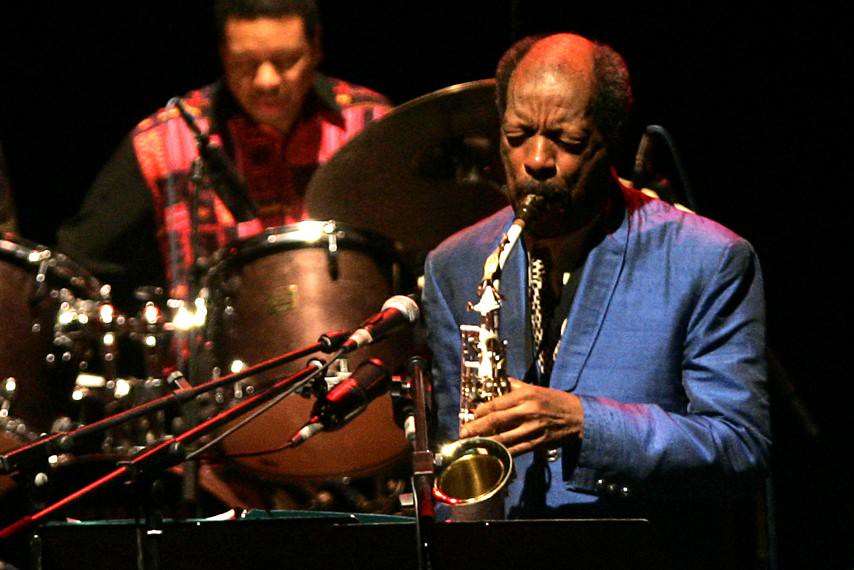
“It was when I found out I could make mistakes that I knew I was on to something.” -Ornette Coleman, saxophonist & composer The Musician’s Way, p. 190 In the discovery phase of practice, all of us make errors as we try out interpretive and technical...
“Public performance is a potent truth serum.” -William Westney, pianist The Musician’s Way , p. 201 In my post, “The 3 Roots of Performance Anxiety,” I explain how stage nerves arise due to personal, task-related and situational factors. This article...