


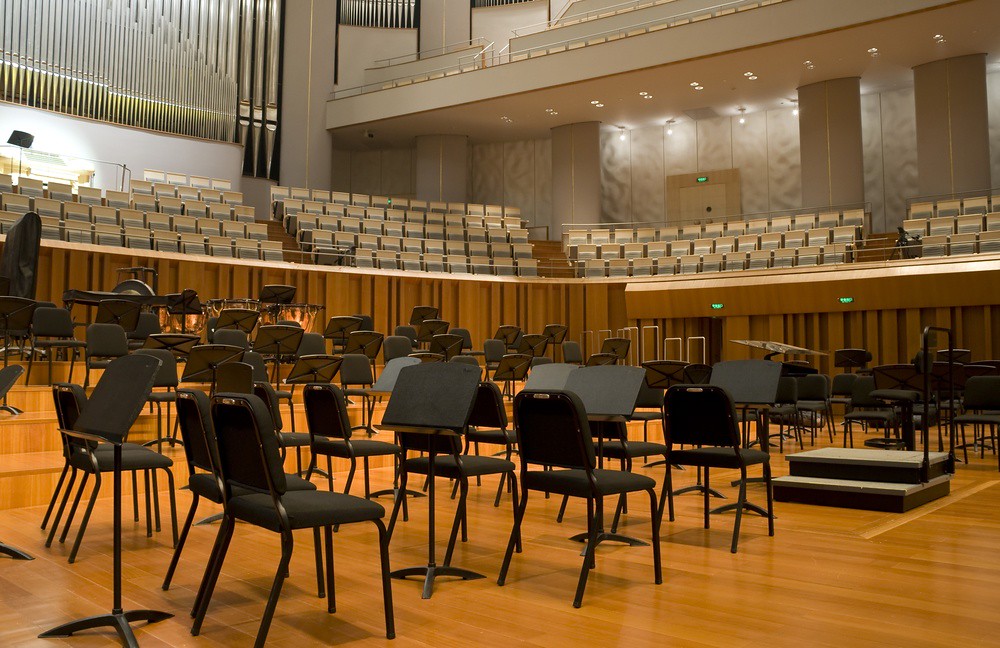
 “A concert may end when the applause fades, but your artistic work and your responsibilities as a performer are far from complete.”
–The Musician’s Way, p. 196
As you exit the stage at the end of a performance, how do you typically feel?
Then, when you interact with listeners and co-performers, how do things go?
Seasoned performers remain poised after a show – they support their colleagues and warmly greet listeners. They also apply what they learn from each concert to improve their skills.
Aspiring artists, on the other hand, sometimes succumb to a post-performance blues.
Backstage, they might rehash every phrase, berating themselves for flaws. And such a self-absorbed demeanor doesn’t endear them to audience members or their fellow musicians. Nor does such negativity nurture their creative spirit.
Here’s a 3-part framework to manage post-concert situations and use each performance to elevate our creativity.
A 3-Phase Post-Performance Routine
1. Interact and Cool Down
The moment we arrive backstage at the close of a show, our first task is to express appreciation to any co-performers. In this way, we reinforce a professional culture and cultivate the positivity that fuels artistic growth.
Later, when we meet listeners, our role resembles that of a party host whom guests want to thank. We s hould consider listeners’ comments, show gratitude for their attendance, and never express dissatisfaction with our performance.
Our foremost post-concert task, though, is to accept our performance.
If things went well, we affirm the preparatory steps we took. If we performed beneath our potential, we treat shortcomings as information and commit to practicing differently (see “Rebounding from Subpar Performances“).
Following intense performances, before we interact with listeners, it’s often worthwhile to cool down with some gentle scales and a few restorative movements such as arm circles. These help us transition from the other-worldly dimensions of music making to a place where we can be fully present in our interactions with people.
2. Assess
It’s usually best to defer any assessment for a day or more. Similarly, group members should usually hold off discussing performance issues until their next rehearsal.
But when the time comes to review our work, recordings prove invaluable aids. And we gain the most when we evaluate in deliberate ways.
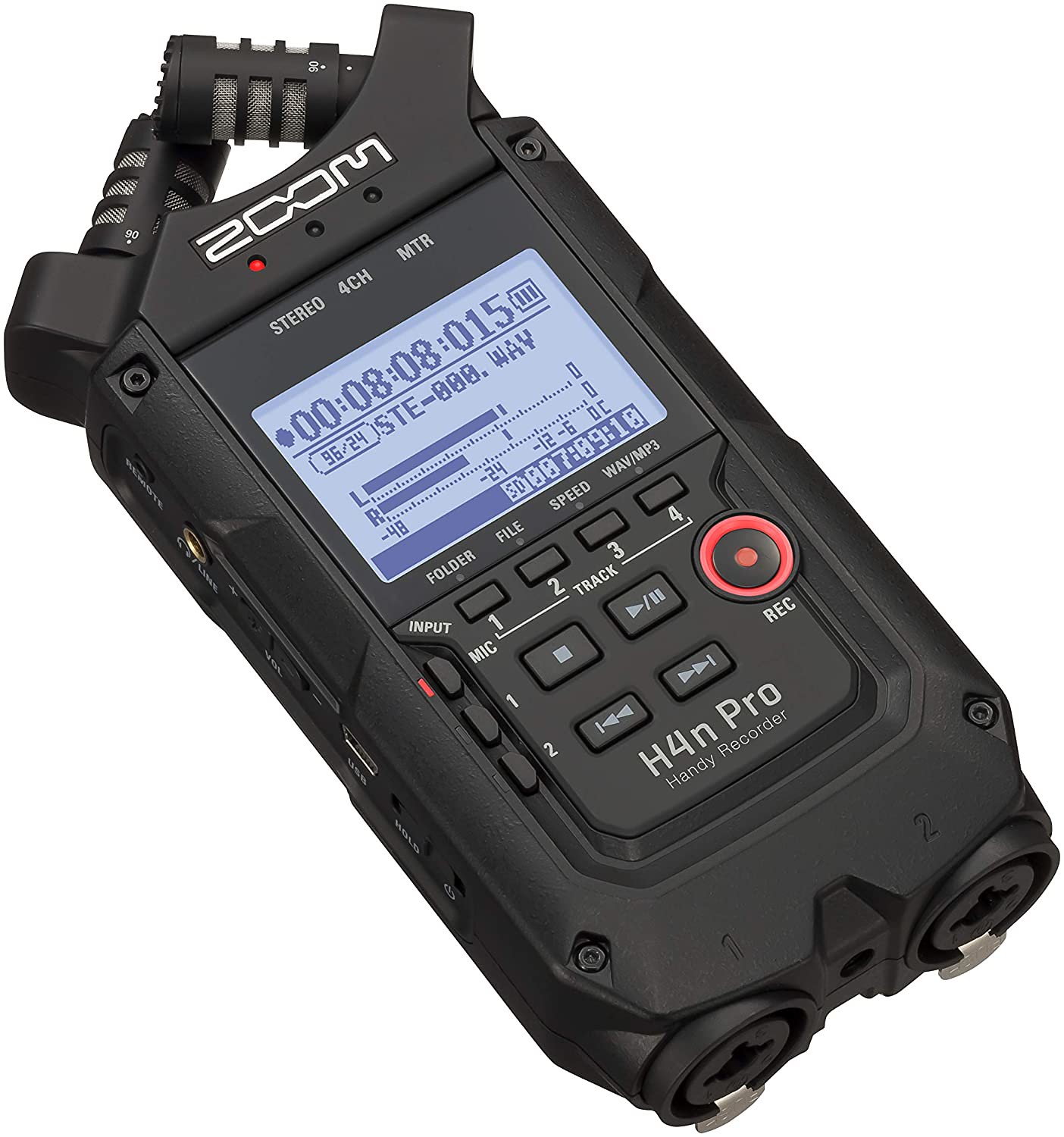
Zoom H4n Recorder
One simple yet powerful performance evaluation tool is described on pages 202-203 of The Musician’s Way.
3. Move Ahead
As we size up a performance and identify areas for improvement, it’s best to specify action plans. We might mark areas in a score we’d like to refine and think about practice strategies, or we might jot down ideas in a notebook or online document.
Either way, our ideas then function as artistic goals, and, as we deliberately tackle them in practice, we advance on our creative path.
See Part II of The Musician’s Way for inclusive guidelines to prepare, present, and evaluate performances.
Related posts
Assessing Your Performance Skills
Backstage Mode
The Meaning in Mistakes
Practicing Performance
Rebounding from Subpar Performances
© 2012 Gerald Klickstein
Photo © yuyangc, licensed from Shutterstock.com
Thanks, Daren. So important to gain the objectivity that time allows.
Good article. In No. 2 Assess, I agree to give it some time and that it is particularly important to wait to critique a performance, you are just too close to it and time will give you much needed perspective.
Nicely written! Great musicians know that there is still work to be done after a performance – evaluate, assess and refine your goals. Great post.
Hi Suzy – Thanks for the supportive words!