


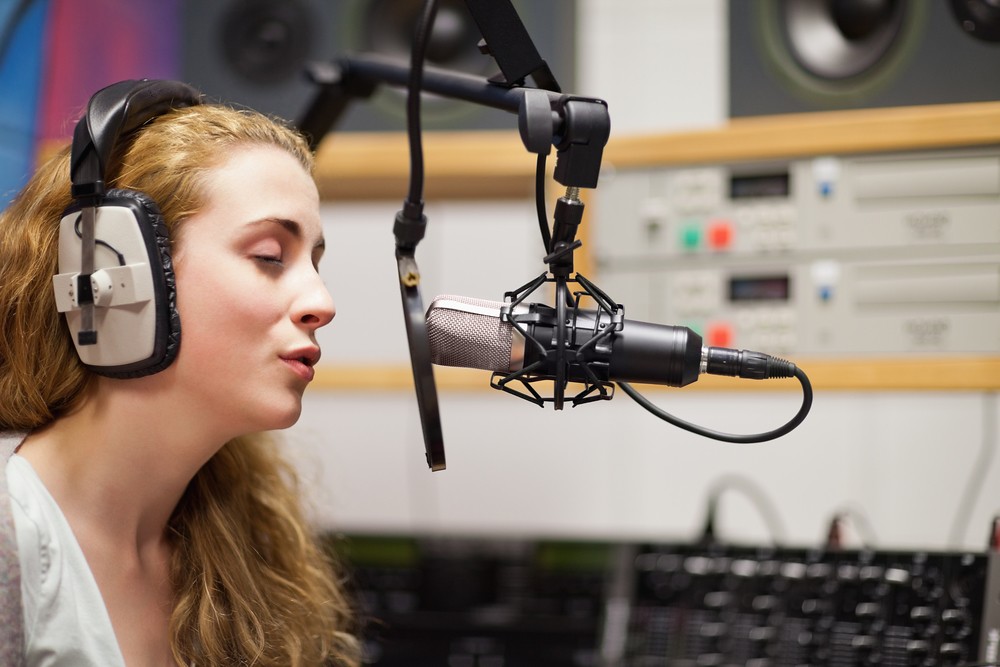
 “Many musicians perform freely in front of people but become self-conscious when recording.”
–The Musician’s Way, p. 222
For countless aspiring musicians, recording sessions are trying affairs.
All too often, when the recording gear switches on, artistic and technical fine points that they thought were under their control slip from their grasp.
The following eight practice tips, adapted from Chapter 11 of The Musician’s Way, help performers excel in the studio.
Eight Tips to Practice for Music Recording Sessions
1. Spruce Up Your Style
Practice your material deeply, refining your tone, rhythm, and interpretation. Also mitigate extraneous sounds such as shifting feet and loud breaths.
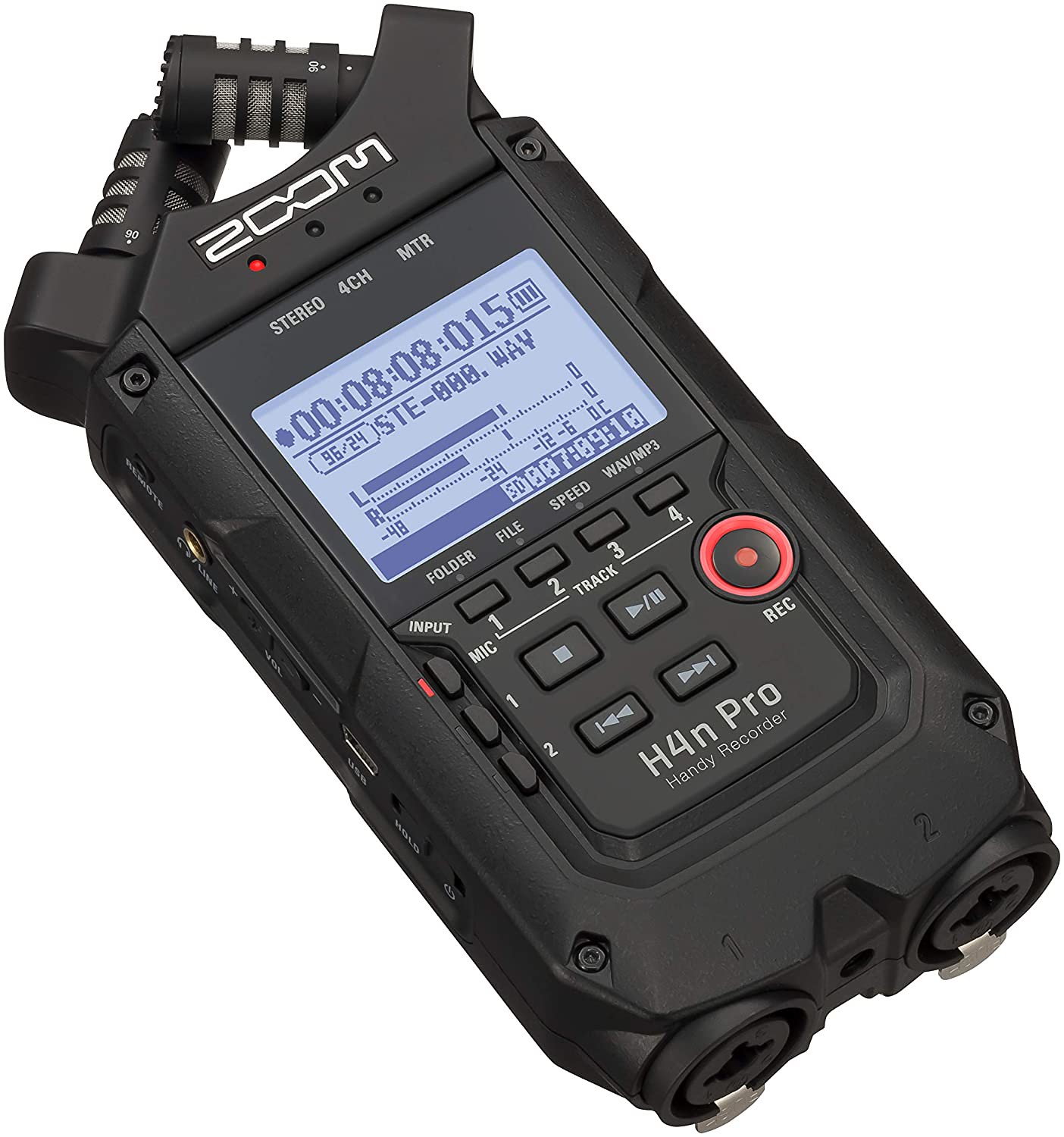
Zoom H4n Recorder
If you’re accustomed to performing live but not for recordings, bear in mind that rough edges that go unnoticed in live shows will sound crass in the studio.
In your practice room, therefore, record yourself and listen back with the discriminating ears of a producer.
Recommended self-recording devices: Zoom H4n | Zoom H2n | Tascam DR-05XP
2. Maintain a Stable Position
When you record, the sound source and the microphones need to be in a steady relationship. Added to that, excessive body movements generate noise.
Keyboardists usually aren’t troubled by this issue, but, for many others, steady positioning can be tiring. Acclimate in practice to any positioning constraints, and you’ll be more at home in the studio.
“Mitigate extraneous sounds such as shifting feet and loud breaths.”
3. Manage Your Beginnings and Endings
Use longer silent counts to launch each piece, and then extend your closing silences.
Frame every selection in stillness.
4. Solidify Tempos
Jot down metronome settings in practice and be a stickler for consistency of tempo. To facilitate editing, it’s best if all takes of a piece are at identical tempos.
“Jot down metronome settings in practice and be a stickler for consistency of tempo.”
5. Plan the Length of Takes

If you’re going to divide longer pieces into sections and record those sections individually, practice starting and ending each chunk, ensuring consistency of tempo, sound and style.
6. Polish Intonation
Regularly refer to an electronic tuner, keyboard, or other pitch source to guarantee that your intonation is reliable.
7. Practice Performing
Above all, enlist a personal recorder and practice performing, employing the same deliberate protocol you’ll use in the studio.
That is, announce titles and take numbers (“Prelude, first section, take one”), create ample silence, maintain a stable position, and play or sing through errors. In general, execute complete takes, even when things get bumpy midway.
Remember, too, that recording sessions are performances, so they can trigger performance anxiety, especially among musicians who lack studio experience. Use your practice performances to verify your preparation and to rehearse your performance skills and anti-anxiety techniques.
8. Ensure Quality
You or your engineer can edit your takes together to eliminate glitches, but you can’t turn a mediocre performance into a superior one.
Only schedule a recording session after your performance level reaches the benchmark of excellence.
For more about preparing for recording sessions as well as concerts, auditions, competitions, see Part II of The Musician’s Way.
Related posts
Deep Practice
Mastering Performance Skills
The Pre-performance Inventory
Rhythmic Precision
Self-Recording in Practice
© 2011 Gerald Klickstein
Photo © wave break media, licensed from Shutterstock.com